Organizational analysis & optimization

Organizational analysis and optimization create transparency regarding structures, processes, and responsibilities in order to identify efficiency potential and strengthen organizational performance for the long term.

Nahaufnahme durchnummerierter Registerblätter mit den Ziffern 7 bis 10 in einer Mappe

Organizations must grow with the company and adapt to new requirements.

By analyzing structures, processes, and responsibilities, we identify potential for improvement and develop organizational solutions that sustainably strengthen transparency, efficiency, and effective management.

Companies must continuously adapt their organization to changing market requirements. A systematic organizational analysis creates transparency regarding structures, processes, roles, and decision-making paths, revealing where friction losses occur and where improvements are possible. This establishes the foundation for more efficient workflows, clear responsibilities, and an organization capable of meeting future demands.

How do you turn analysis into effective change?How do you turn analysis into effective change?

As part of our optimization process, we purposefully develop processes, responsibilities, and organizational structures. In doing so, we reduce interfaces and media discontinuities, create transparency, and strengthen the company's management capabilities. Changes are implemented in collaboration with the affected departments and anchored in daily work routines, ensuring that concepts translate into lasting improvements.

Are you looking to adapt your organization to new requirements?

Schedule an appointment
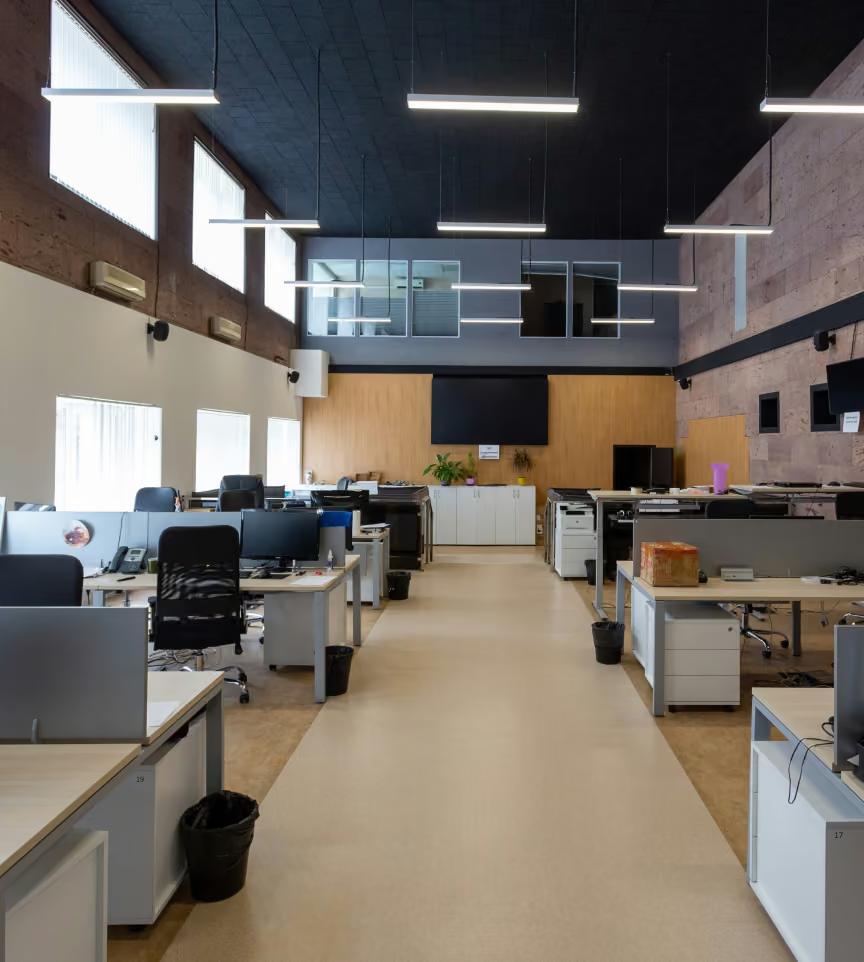
Open-plan office with rows of desks, monitors, and office chairs
Making organisation and processes fit for the future

Possible building blocks of organisational analysis & optimisation

Analysis of organisational structures, roles and responsibilities

We analyse existing organisational structures, responsibilities and decision paths in order to create transparency about tasks, accountabilities and models of collaboration. This makes ambiguities, duplicated work and organisational weak points visible.

Recording and assessing core and supporting processes

We record the main business and supporting processes in a structured way and assess how value is created in the company. In doing so we make media breaks, friction and concrete starting points for improvement visible.

Identifying efficiency and improvement potential

Based on the analysis we make visible where workflows, use of resources and collaboration can be improved. From this we develop solutions that simplify processes, shorten lead times and strengthen the performance of the organisation for the long term.

Analysis of interfaces and cross departmental workflows

We analyse interfaces, information flows and responsibilities along the value chain and make visible where friction arises. From this we develop structures and workflows that create transparency, make decisions easier and increase the effectiveness of the organisation.

Introducing key figures and steering instruments

We develop key figures and steering instruments that make performance, efficiency and goal achievement visible. This creates a solid basis for decisions and a clear foundation for developing the organisation in a targeted way.

PROJECT EXAMPLES

Organizational analysis & optimization

Select a topic area

Improving organizational efficiency

Industry: Manufacturing company in the timber industry

Our role: Consultant

Project objectives

  • Increasing competitiveness
  • Developing an implementation plan to increase organizational efficiency
  • Improving existing core processes and cross-departmental interfaces using a four-dimensional model

Key results

  • Organizational efficiency improved by 27% at the contribution margin 2 level through better lead times
  • Improved working capital through reduced stock levels, which increased liquidity and enabled the use of early payment discounts
  • A shared mindset among production team leaders and a common understanding of quality and efficiency
  • Closing the manual gap between order preparation and machine production by digitally connecting machines (NC data)
  • Introduction of paperless production at machine and manual workstations through the digital availability of parts lists, production plans, and labeling
  • Increased transparency in purchasing through early notification of material and assembly requirements, enabling the utilization of purchasing advantages
  • Improved feedback on withdrawals to manage stock levels, and time tracking to determine work-in-progress
  • Baseline documentation for auditors and simplified inventory management

Approach

  • Analysis of the current state: where is there potential for improvement in existing core processes, and where do media discontinuities occur?
  • Development of adjustments, including a calculation of efficiency gains
  • Detailed alignment with process owners and development of revised process steps, including the information required at each stage
  • Development of process adjustments, taking into account machinery, IT infrastructure, and the requirements of controlling, accounting, and quality management
  • Implementation with a pragmatic, value stream-oriented system of key performance indicators to measure efficiency gains at the company level

Discover more categories

CONTACT US

We take our time.
For your future.

Get in touch! After a personal consultation, you will know exactly what THE MAK'ED TEAM can do for your company.

We look forward to hearing from you.
Thank you! Your submission has been received!
Oops! Something went wrong while submitting the form.