External succession
There is not always someone in the family ready to take over the business. What is then needed is a solution outside the family that reliably secures responsibility, ownership and the future of the company.

There is not always someone in the family ready to take over the business. What is then needed is a solution outside the family that reliably secures responsibility, ownership and the future of the company.
Then the question arises as to who should take responsibility for the company, its employees, and its ownership in the future.
Succession addresses two fundamental levels: ownership of the company and management of the company. Therefore, there is no single "external" succession model. In an external succession, individual or all roles are filled by people outside the owner family. This creates a multitude of possibilities for making the "right" decision.
Generational change requires looking at two perspectives: the role as a shareholder and the role in company management. Only when both levels are considered can sustainable decisions be made. This is exactly what makes succession challenging. While the family is focused on cohesion and integration, company management follows clear principles of performance and accountability. That is why it is important to address succession early, consciously include both perspectives, and clarify the resulting questions together.
If the company is to remain in family ownership without family members taking over management, external managers can fill this role. This is possible both with and without an equity stake in the company.
For shareholders and the owner family, selling the company is a sensible option if the shareholder position no longer aligns with the individuals' future plans or the company's situation. Transferring the company to non-family owners through a sales process realizes the company's value and creates room for other activities, whether in different industries or as a family office.
Succession is a strategic decision.
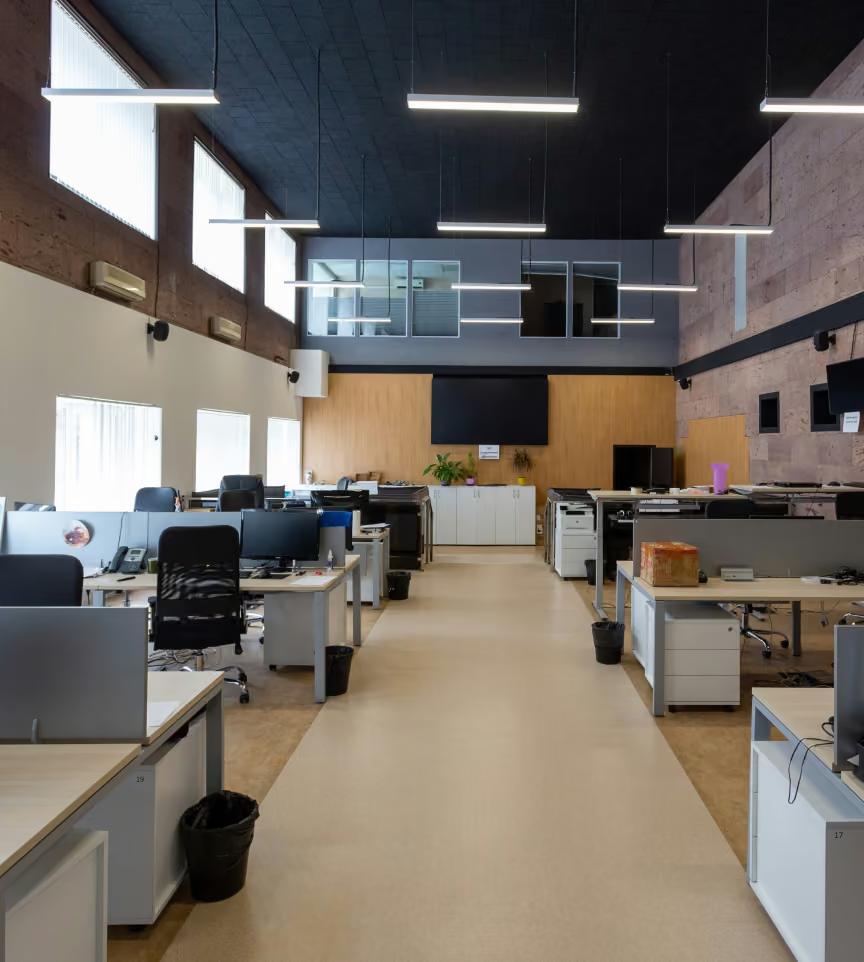
External management takes responsibility for the operating business while the company stays in the family's ownership. For this to work it takes clear accountability, binding decision paths and trust on both sides. Only when expectations are transparent can two perspectives turn into a shared course.
In a management buy out, managers or employees from within the company take over the succession. They already know the company, its culture and its people. For that closeness to turn into successful leadership, financing, preparation and handover have to be settled early.
In a management buy in, external managers or investors take over the company. This solution comes into question above all when no suitable successor is available within the family or the company. What matters is careful selection and a handover that passes on knowledge, responsibility and trust alike.
Business succession rarely fails for want of contracts. Difficulties arise more often from unclear expectations, accountability and decision paths. Setting out responsibilities, authorities and communication structures in binding form creates the basis for stable cooperation between shareholders and management.
Unternehmensnachfolge scheitert nicht an schlechten Verträgen. Sie scheitert an unklaren Erwartungen, Zuständigkeiten und Entscheidungswegen. Wir sortieren die Zielsetzungen der aktuellen Gesellschafter in eine abgestimmte Struktur. Diese bildet ein verlässliches Bild der Erwartungen, das Fremdgeschäftsführer, MBI- / MBO-Kandidaten oder potenzielle Investoren gegen ihre Ansprüche spiegeln und prüfen können. Wir organisieren hierbei professionelle Herangehensweisen und etablieren eine stabile Zusammenarbeit.
Business succession is a personal matter. We analyze your initial situation, discuss your objectives, and derive potential courses of action. Based on this, we develop a succession strategy that aligns with your goals, your company, and your shareholders. This strategy serves as a clear roadmap for successful implementation.
Get in touch! After a personal consultation, you will know exactly what THE MAK'ED TEAM can do for your company.