End-to-end process logic

We design processes along the entire value chain, from the triggering event to the result for the customer. This creates continuous workflows that work across departments and support the company's value creation in a targeted way.

Hängende Skulptur aus quadratischen Metallplättchen, die dünne Fäden zu einem Netz verbinden

End-to-end process logic views processes holistically – across departmental, system, and company boundaries.

By analyzing, designing, and further developing end-to-end process chains, we create transparent workflows and clear responsibilities. This establishes the prerequisites for digitalization, automation, and sustainable growth.

Increasing demands for speed, transparency, and flexibility show that companies cannot view their processes in isolation within individual departments. Value creation occurs across many interfaces – from customer inquiries, procurement, production, or service delivery to shipping, billing, and support. End-to-end process logic creates transparency regarding workflows, information flows, and responsibilities along the entire value chain.

How can potential be identified across the entire value chain?How can potential be identified across the entire value chain?

A holistic view of processes reveals media discontinuities, unnecessary handovers, rework, and a lack of transparency. This makes it clear how process steps interact, where bottlenecks arise, and which measures have the greatest impact on efficiency, quality, and control. At the same time, it creates the foundation for digitalization and automation.

Would you like to design your end-to-end processes?

Schedule an appointment
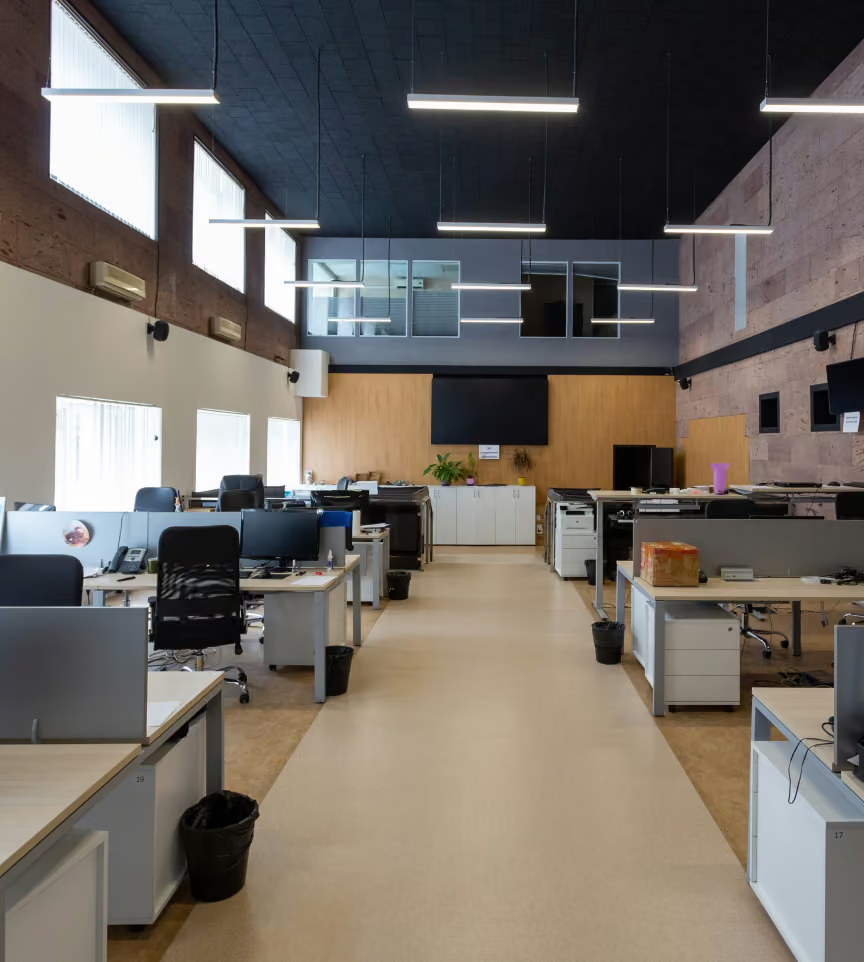
Open-plan office with rows of desks, monitors, and office chairs
Making organisation and processes fit for the future

How we approach end to end process logic

Analysing and visualising end to end processes

We record existing workflows along the whole process chain and make interfaces, handovers, media breaks and information flows visible. This creates transparency about how processes actually work and where improvement is possible.

Developing the target process design

Together with the departments and management we develop target processes that are fit for the future. The focus is on clear responsibilities, unambiguous decision paths, workable standards and processes that can be supported efficiently and digitally.

Establishing process ownership and governance

For continuous processes we define clear roles, responsibilities and steering mechanisms. This creates end to end ownership that keeps the whole value chain in view and strengthens thinking and acting across departments.

Preparing for digitalisation and automation

We optimise and standardise the process logic before digital solutions, business software, automation or AI applications are introduced. That way existing inefficiencies are not carried over into the digital world; instead workflows are genuinely improved and made fit for the future.

Creating transparency and the ability to steer

Consistent processes, clear key figures and coherent data flows create the basis for well founded decisions and effective company management. Companies spot developments earlier, make better decisions and use their resources more deliberately.

PROJECT EXAMPLES

End-to-end process logic

Select a topic area

Moving away from person-dependent production processes

Industry: Custom manufacturing of steel structural components

Our role: Consultant

Project objectives

  • Removing interruptions in the production flow
  • Avoiding scrap and duplicated work
  • Ensuring the best possible use of resources
  • Ensuring quality and on-time delivery
  • Increasing efficiency

Key results

  • Systematic identification of processes and workflows that have evolved over time
  • Identifying isolated digital solutions implemented to date
  • Structured recording of existing solution ideas from key users for improving workflows
  • Reorganization of processes and workflows to improve the flow of information to subsequent process steps
    • For example, in purchasing, to optimize procurement in terms of quantity, price, and delivery dates
    • For example, in intralogistics, to manage storage areas for semi-finished and unfinished goods within production
  • Improved on-time delivery through better material availability
  • Reduced scrap through documented change management
  • Lower material costs through optimized order quantities
  • A foundation for introducing end-to-end business software and AI building blocks

Approach

  • Analysis of the current production process through structured interviews with key users
  • Recording management's strategic direction for future development, including sales and production sites
  • Analysis of software solutions used in design and production
  • Simplified process visualization to identify bottlenecks, specifically highlighting where manual intervention is required due to ambiguity and how missing information is obtained
  • Expert discussions with key users to clarify the content of individual process steps
  • Reorganizing activity-based process steps into data-driven end-to-end processes, including preparation
  • Introduction of business software that meets the requirements
  • Changing the flow of information by systematically enriching order data during the production process, including status information on production steps
  • Implementation of process changes and demonstration of efficiency gains by measuring lead times, on-time delivery, and scrap rates

Discover more categories

CONTACT US

We take our time.
For your future.

Get in touch! After a personal consultation, you will know exactly what THE MAK'ED TEAM can do for your company.

We look forward to hearing from you.
Thank you! Your submission has been received!
Oops! Something went wrong while submitting the form.